The direct answer
Compare bathroom renovation quotations against one shared scope, product schedule and room drawing. Separate defined work from allowances, then check demolition, substrate preparation, waterproofing, drainage, plumbing, electrical work, ventilation, tiling, fixtures, joinery, testing, protection and handover line by line. A lower total is not necessarily a lower price for the same result; it may simply omit concealed work or assume cheaper selections. The useful comparison is a normalized one that shows what each contractor has included, excluded and left uncertain.
Issue the same information to every bidder
A fair comparison begins before quotations arrive. Provide the measured layout, fixture positions, tile extents, reflected ceiling or lighting intent, product schedule, retained items and performance expectations to every bidder. Identify whether layouts are fixed or still being tested. If one contractor prices a developed bathroom design and another prices from photographs, the totals describe different projects. The bathroom-design service should turn the brief into information that can be priced consistently.
Break the quotation into work packages
Ask for recognizable packages rather than one bathroom sum. Useful headings include preliminaries and protection; isolation and demolition; disposal; builder's work; plumbing and drainage; electrical and lighting; ventilation; substrate repair; waterproofing; screeds and falls; tiling; ceilings and paint; sanitaryware; shower screens; vanity and mirrors; accessories; testing; cleaning; and handover. RICS New Rules of Measurement provides a structured reference for consistent cost information, although the project team must choose the level suitable for a residential bathroom. The aim is traceability, not unnecessary paperwork.
Treat waterproofing as a described system
A line saying waterproofing included is not enough for comparison. The proposal should identify the intended system or performance basis, where it is applied, substrate assumptions, junctions and penetrations, coordination with drains and thresholds, and the inspection or test record expected before finishes cover it. Do not turn this into a do-it-yourself instruction: the design, preparation, application and verification belong with competent parties following the specified system. A quote that prices only a coating may not include the preparation and junction work on which the assembly depends.
Normalize fixtures and finish allowances
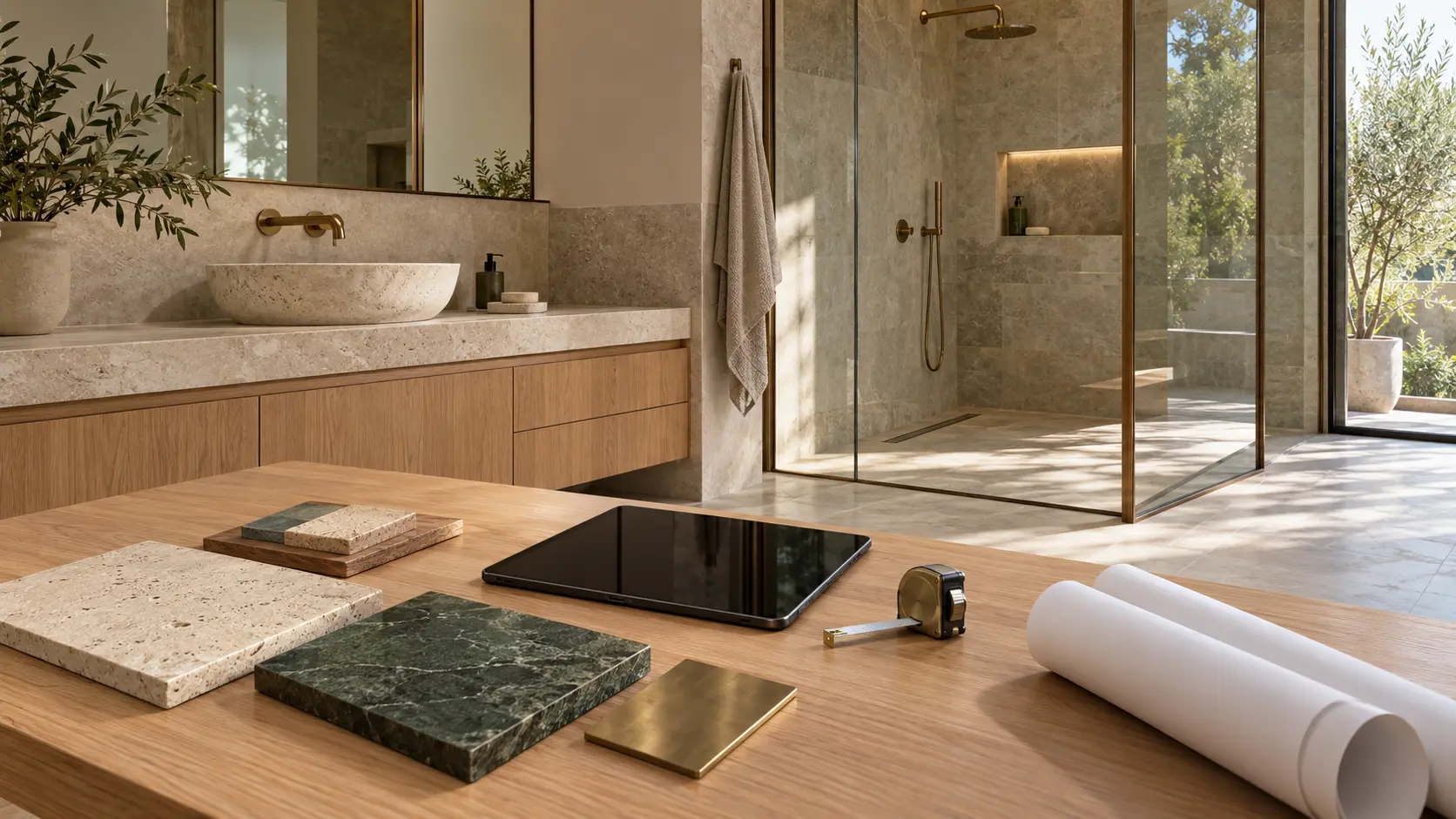
For sanitaryware, brassware, tiles, stone, lighting and accessories, record the assumed product, quantity, unit value and what sits outside the allowance. Clarify delivery, waste, trims, grout, adhesives, installation materials, supports, concealed frames and contractor margin. The tiling comparison should also identify the substrate and setting-out work, because tile price alone does not describe the finished scope. Keep the allowance visible until the product is approved, then reconcile the final selection against the original basis.
Planning example
Consider a planning example, not a completed project. Quote A is lower and lists tiles, waterproofing and sanitaryware as three broad sums. Quote B separates removal, substrate repairs, drain coordination, the wet-area system, tile setting-out, trims, supply allowances and installation. The comparison discovers that Quote A excludes floor levelling, shower-screen support, fixture delivery and making good around revised pipework. Once those items are clarified and the same tile and fixture allowances are applied, the apparent gap narrows. The decision can then focus on scope, capability, programme and commercial terms rather than a misleading first total.
Check interfaces, not only products
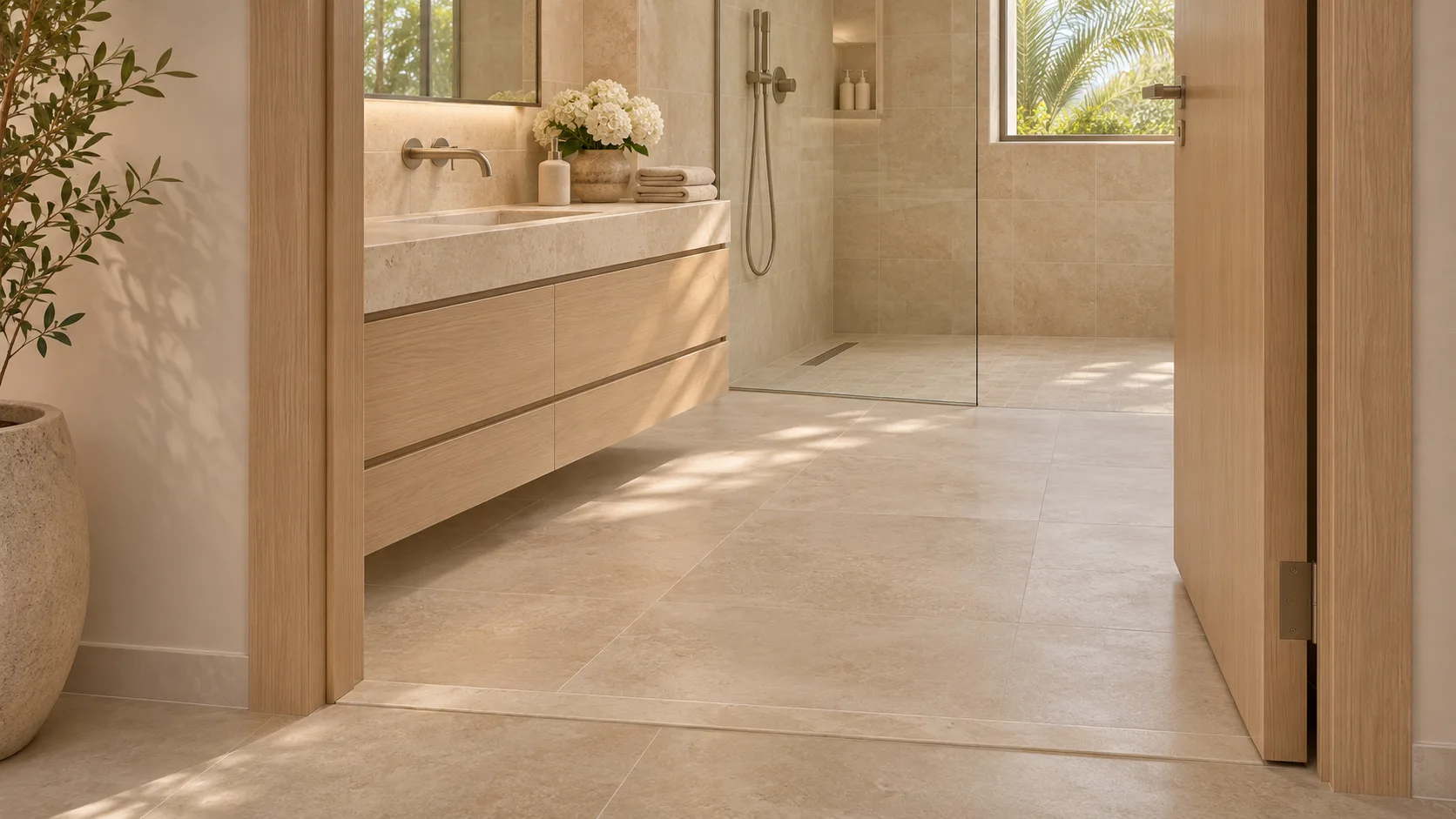
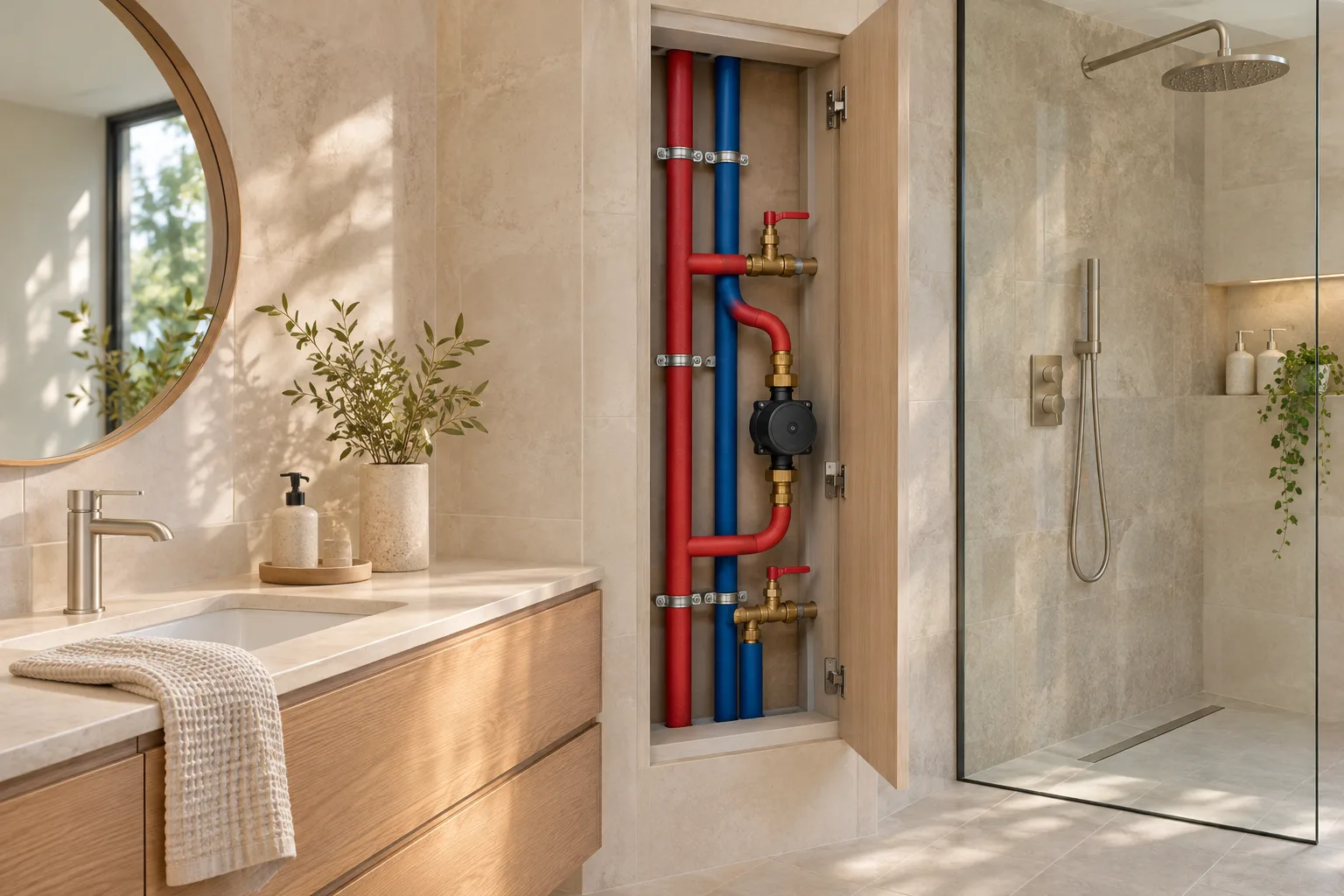
Bathroom failures often occur where packages meet: vanity to basin, tap to concealed plumbing, shower screen to waterproofed floor, drain to screed falls, tile edge to door frame, mirror to lighting and ventilation to ceiling. The quotation should show who measures, coordinates, supplies and installs each interface. For a walk-in shower, review enclosure, water containment, controls, storage, drainage and screen together. A beautiful fixture schedule cannot compensate for an unresolved junction.
A quotation-comparison checklist
Record each clarification in writing and keep the bidder's original offer intact.
- Are drawings, quantities and product assumptions common to every quotation?
- Are demolition, removal and disposal extents clear?
- Are substrate repair, waterproofing, drainage and falls described?
- Are plumbing, electrical and ventilation changes itemized?
- Do fixture and finish allowances state quantity and commercial basis?
- Are delivery, access, protection, supervision and cleaning included?
- Are inspections, tests, commissioning information and handover records identified?
- Are exclusions, validity, payment stages and change procedures visible?
Approvals and limitations
Dubai Municipality publishes building-permit procedures and the Dubai Building Code, but the route for an individual bathroom depends on the property, location, building management and actual work. Do not assume that a contractor's price confirms approval or technical feasibility. Existing pipe routes, slab conditions, concealed services and ventilation may not be fully known before investigation. Structural, electrical and wet-area work should be reviewed and delivered by competent parties under the requirements that apply to the project. Carry explicit assumptions rather than hiding unknown conditions in a fixed-looking total.
The next useful step
Create a comparison sheet with one row per scope item and columns for each bidder's inclusion, amount, allowance, exclusion and clarification. Resolve the largest and most safety-critical differences first. Ask revised quotations to retain the same headings so changes remain visible. Before appointment, attach the agreed scope, drawings, schedules and clarifications to the commercial agreement. The objective is not to make every contractor use identical pricing methods; it is to ensure the client understands whether each total covers the same bathroom outcome.
Sources & further reading
Make this useful for your project.
A review of your property and priorities can turn general guidance into a defined brief.
Explore Bathroom DesignDiscuss your project